
Fort Walton Beach Garage Door Guide
Old Doors, No Insulation: What Fort Walton Beach Homeowners Are Working With
Most Fort Walton Beach garage doors date to the 1960s-70s stock, before insulation standards existed. Here's what that means for repair and replacement here.
The Situation
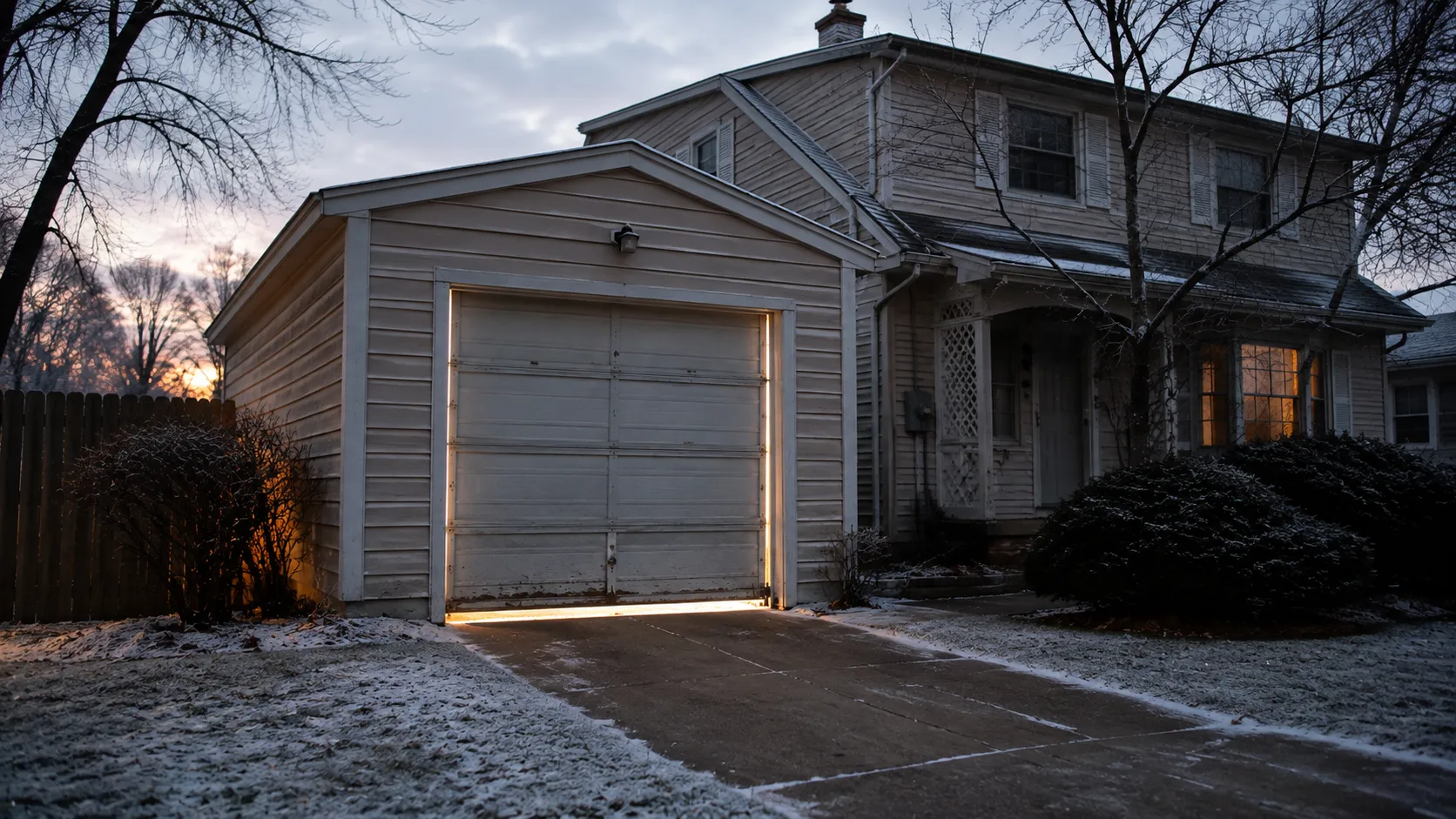
A lot of the garage doors we open up around here were hung before anyone wrote an insulation requirement into a building code. Housing in this service area mostly went up between the 1960s and the mid-1970s, with the broader stretch running from 1973 to 2013 and a median build year of 1979. That matters because a door installed on a house from that era is almost always a single, uninsulated steel or aluminum panel - no polystyrene, no polyurethane core, sometimes not even a bottom seal that actually seals.
Nobody was thinking about R-value on a garage door in Ocean City or Mary Esther in 1968. They were thinking about keeping the rain out and the door rolling up and down.
What you get today is a door that's outlived its hardware twice over but never got the upgrade that would make it worth keeping. The steel itself often still tracks fine.
It's everything attached to it - springs sized for a different door weight, a track that's been re-shimmed a few times, an opener bolted on decades after the door went in - that's the actual problem. We see this pattern across most of the older sections of the service area, not just one neighborhood.
Where People Go Wrong
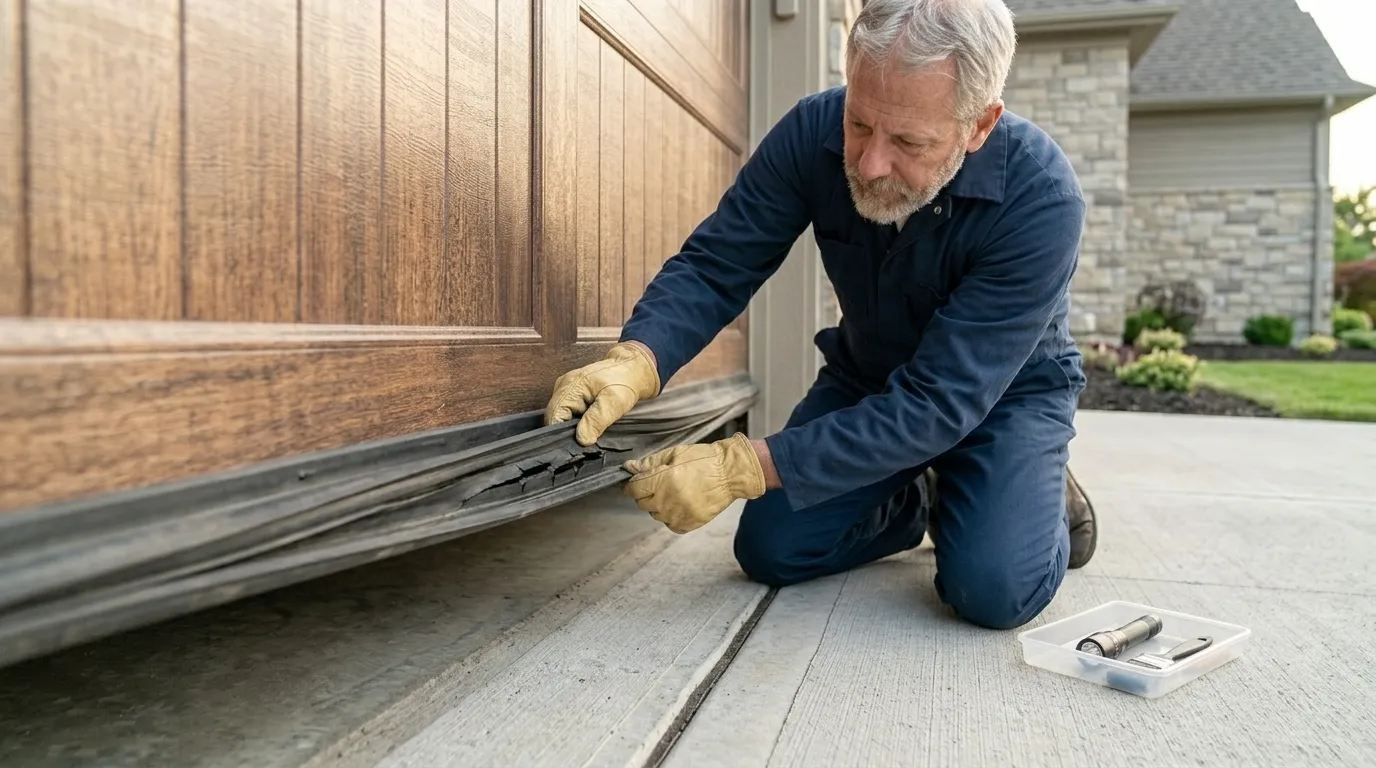
The mistake we run into most is someone replacing the opener or the springs on a 1970s door and calling the job done, when the door itself is the part working against them. A single-layer panel from that era has no insulation and usually no thermal break at the frame, so even a brand-new opener is lifting a door that flexes in the middle and doesn't seat evenly at the bottom. That uneven seat is what wears out weatherstripping fast and puts extra load back onto whatever spring you just paid to replace.
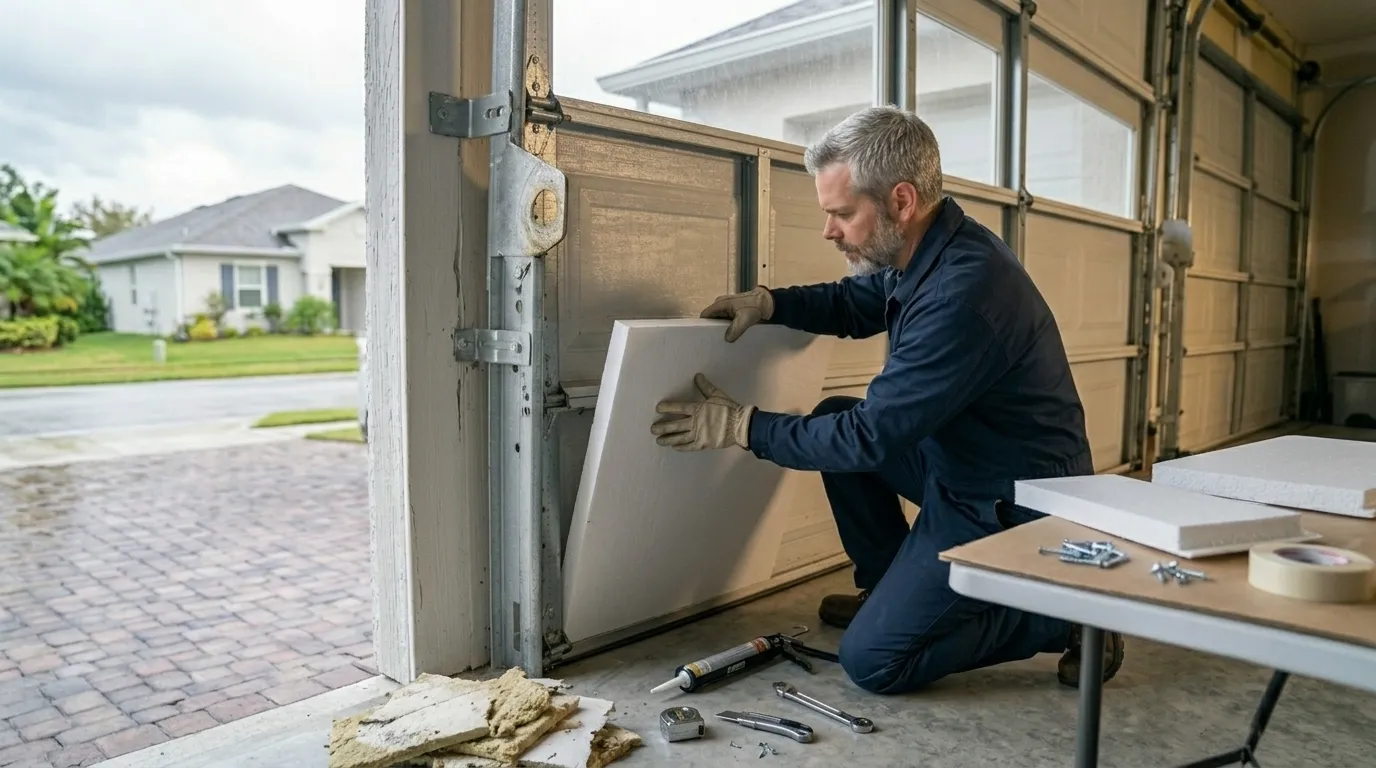
The other common error is treating an insulated retrofit kit as a fix for a door that's structurally tired. Foam-and-panel kits work fine on a door that's flat and true. On a door that's been in a Fort Walton Beach garage since before insulation codes existed, the panel has usually taken enough expansion and contraction cycles that it's no longer flat enough for a kit to seat right.
At that point you're better off pricing a new insulated door than layering a fix onto a panel that's earned its retirement. We'll tell you that straight rather than sell you a kit we don't think will hold.
The Seasonal Bit
This area sits in a mild climate with occasional freeze risk rather than hard winters, so the seasonal stress on these older doors isn't about ice - it's about the swing between hot, humid stretches and the rare cold snap. An uninsulated steel panel from the 1970s expands and contracts with that swing more than a modern insulated door does, and over enough years that movement works screws loose at the hinges and stretches out the track alignment.
We don't get the kind of freeze-thaw cycling that cracks concrete aprons the way it does farther north, so the failures here tend to show up as noise and drift rather than sudden cracking. A door that's rattling more than it used to, or that's started catching partway up the track, is usually telling you the panel has flexed one too many summers in a row.
What Local Conditions Do
Being this close to the coast - inside a few miles of Ocean City, Mary Esther, and Shalimar - means more humidity in the air most of the year, and that humidity gets into the hardware on an older, uninsulated door faster than it would on a newer insulated one. Uninsulated panels don't just lack an R-value; they also tend to lack the sealed construction that keeps moisture off the internal bracing. On a 1970s-era door, that bracing is usually exposed steel, and exposed steel near this coastline corrodes at the fasteners and hinge points well before the panel itself gives out.
We don't have a service radius or pricing figure to hand you here, so if you're outside the immediate Fort Walton Beach area, the best next step is a call to check whether your address falls inside where we work.
How We Can Help
Garage Door Repair
Springs, cables, tracks, rollers, and openers fixed by a tech who explains the problem before touching anything.
Learn more →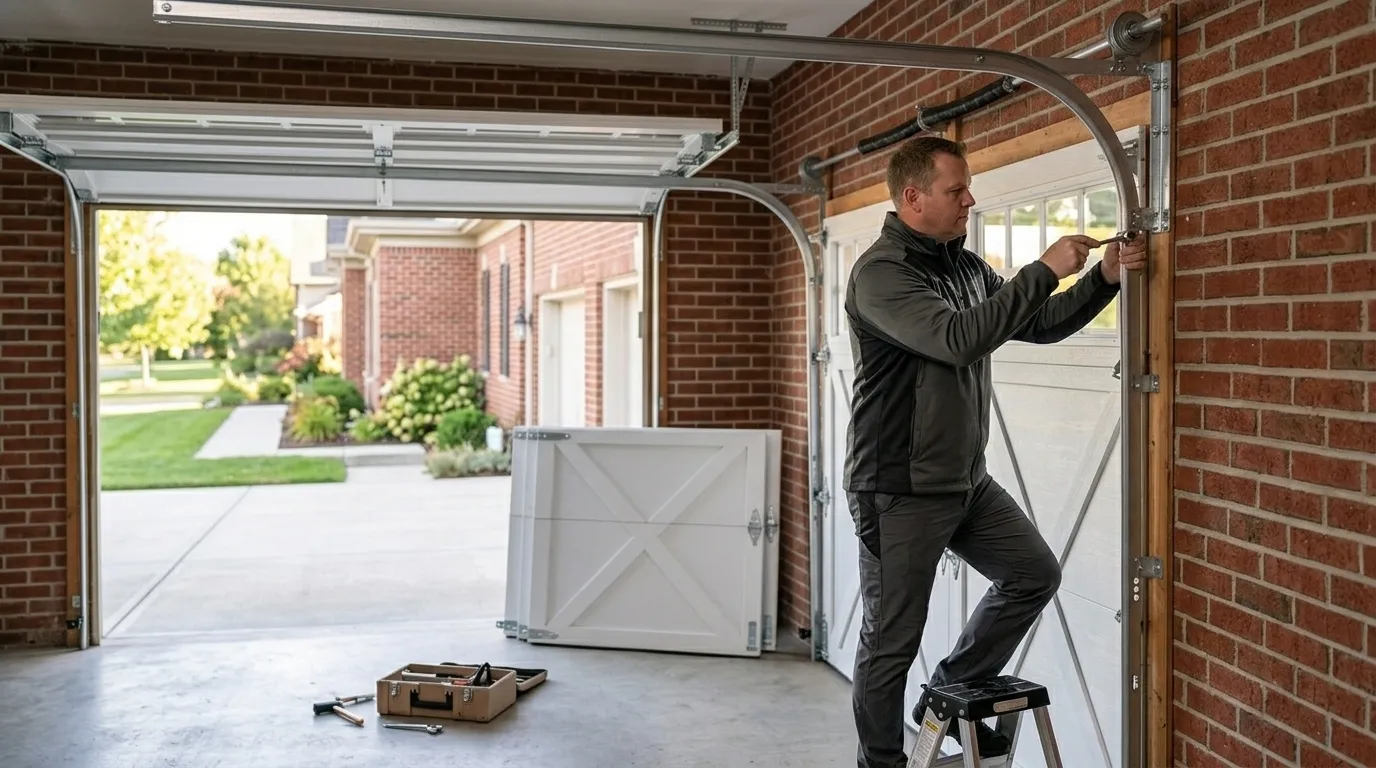
Garage Door Installation
New sectional doors sized and installed for the housing stock actually built in this area.
Learn more →
Garage Door Service
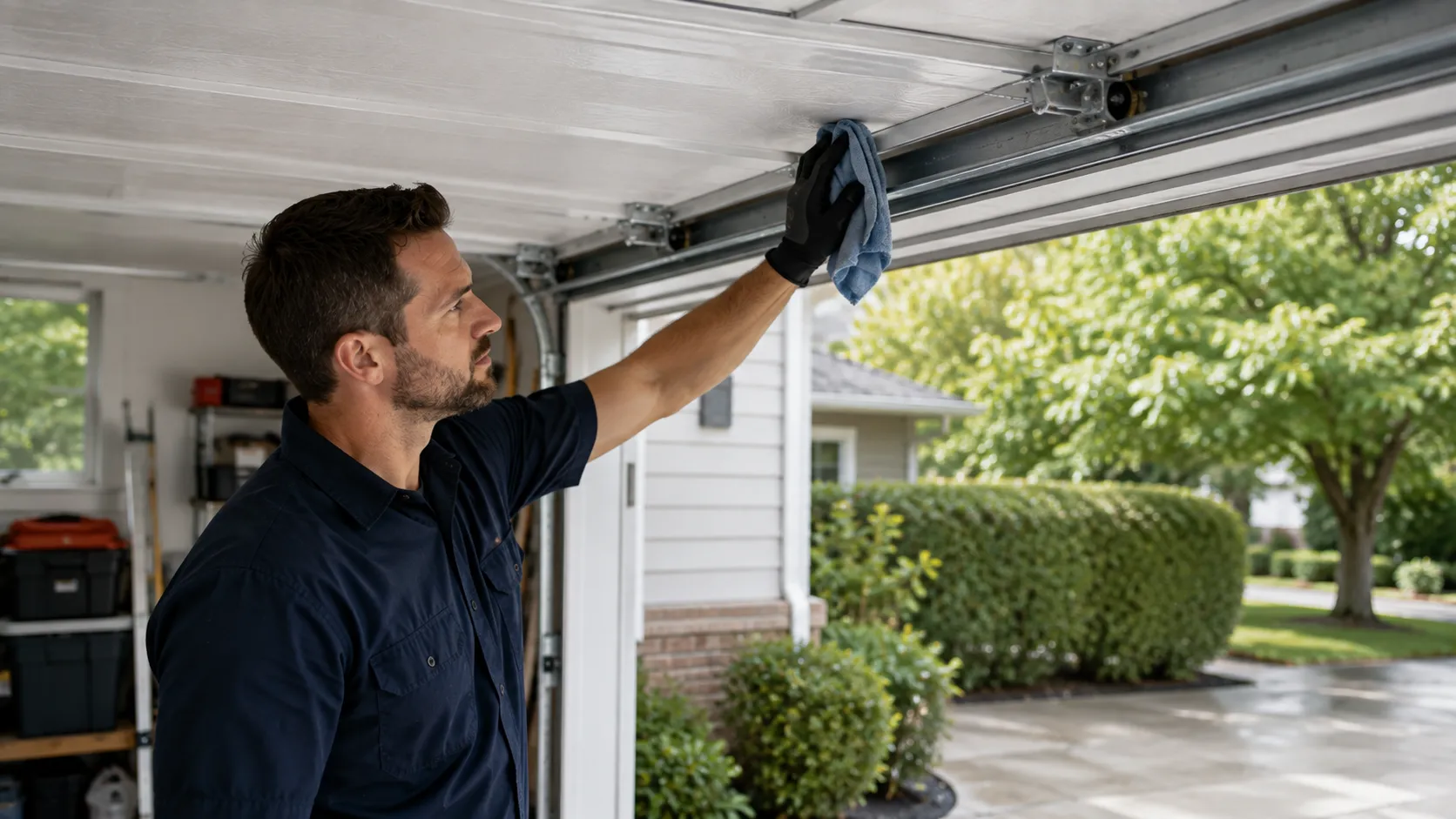
Tune-ups, lubrication, and safety checks that catch a small problem before it becomes a service call.
Learn more →Frequently Asked Questions
Is it worth insulating a garage door instead of replacing it?
Depends on the door. If the panel is still flat and the track is true, an insulated retrofit kit can work. If the door dates to the 1960s-70s stock common in this area, the panel has usually flexed enough over the decades that a kit won't seat evenly. We'll check the panel before recommending either option.
Why does my older garage door rattle more in summer?
An uninsulated steel panel from before insulation codes expands and contracts more with heat swings than a modern insulated door. Over enough seasons that movement loosens hinge screws and shifts track alignment, which shows up as rattling or catching.
Does the coastal humidity here actually affect the door hardware?
Yes. Being a few miles from Ocean City and Mary Esther means consistently humid air most of the year, and older uninsulated doors tend to have exposed internal bracing that corrodes at the fasteners faster than a sealed, insulated panel would.
Have a Door That Needs a Second Opinion?
Call and describe what it is doing - we will tell you what it likely is.