
Fort Walton Beach Garage Door Guide
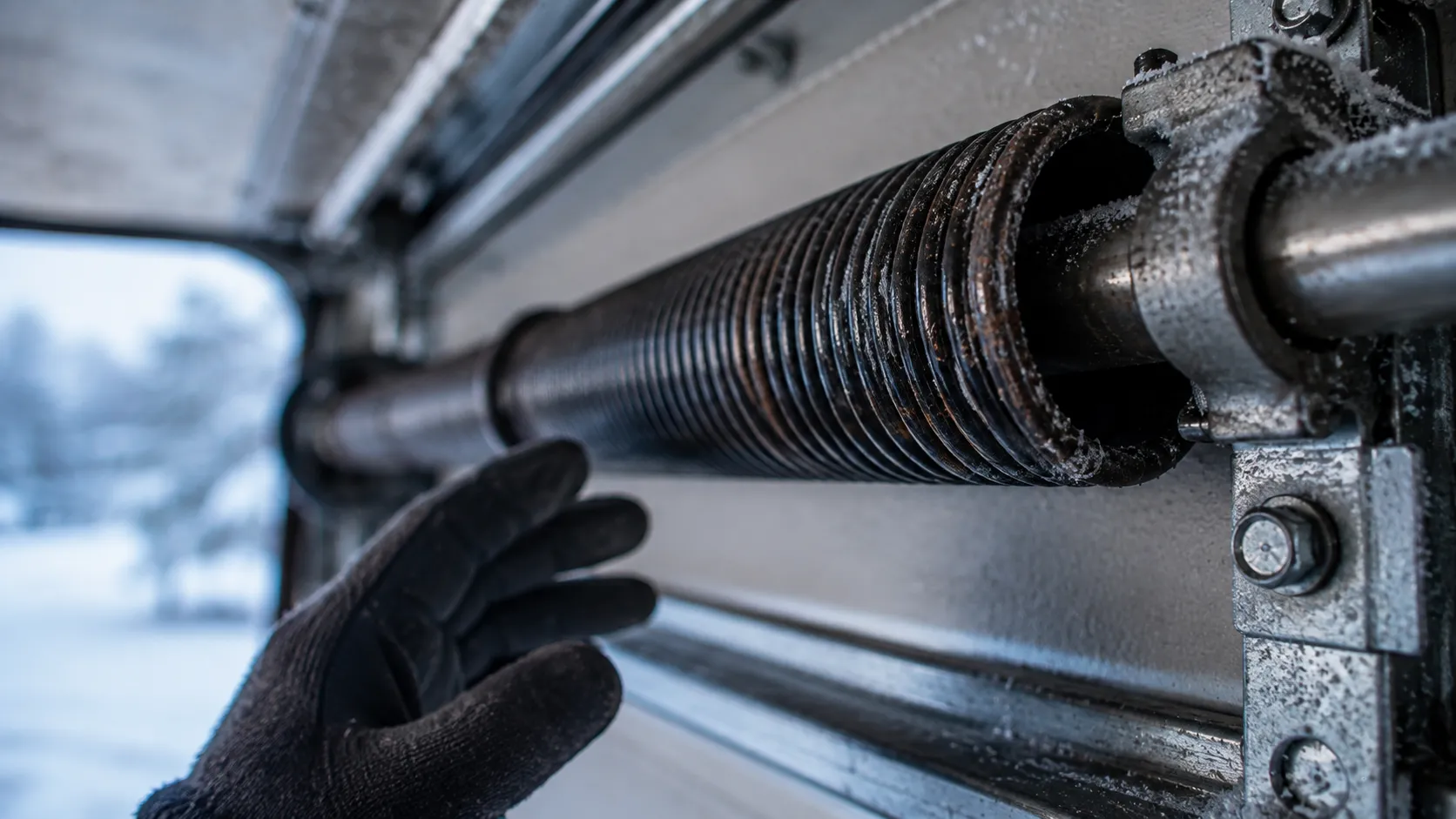
When a Spring Goes in Cold Weather Here
Why torsion springs on Fort Walton Beach's 1960s-70s housing stock fail during rare cold snaps, and what the mild-with-freeze climate band means for your door.
The Situation
Fort Walton Beach doesn't get real winters. m. with a torsion spring that let go overnight.
Most of the housing in this service area went up between 1973 and 2013, with the median sitting around 1979, and a lot of it clusters in older pockets like Ocean City, Mary Esther, and Shalimar where the stock leans more 1960s and 70s. That matters because the springs on those older setups have had four or five decades of thermal cycling - hot humid summers, then a handful of nights a year that drop below the range they were wound for. It's not the cold itself that snaps a spring.
It's the swing. A spring that's spent thirty years expanding and contracting with Gulf Coast humidity, then hits one hard overnight freeze, is more likely to be the one that fails on that particular morning. We don't get called out for this constantly - it's a handful of days a year - but when it happens it happens across a cluster of streets at once, because the same cold front hits every door in the same neighborhood the same night.
Where People Go Wrong
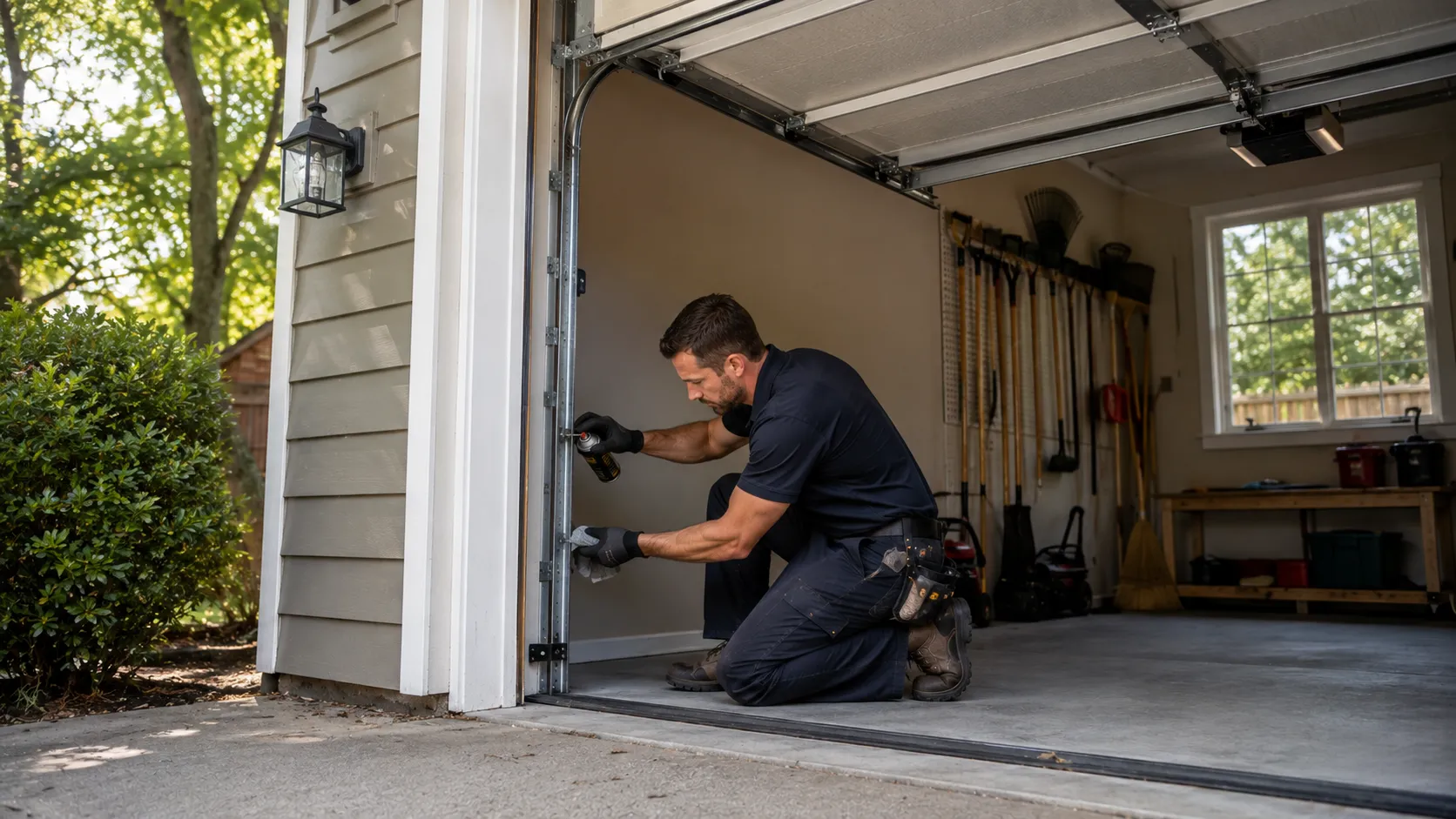
The most common mistake is treating a stiff, slow-closing door as an opener problem when it's actually the spring losing tension. On the older 1960s-70s builds around Shalimar and Mary Esther, homeowners will replace an opener motor, spend the money, and still have a door that groans on cold mornings - because the motor was never the problem. The other mistake is waiting.
A torsion spring under load doesn't give much warning. It might sag a little, it might squeak, and then on the one night it drops near freezing, it goes. We'd rather get a call about a noisy door in November than a call about a broken spring and a car trapped in the garage in January.
If your door is original to a house built in that 1970s-into-2000s window, the spring has outlived its rated cycle count regardless of the weather - cold weather just tends to be what finally tips it over.
The Seasonal Bit
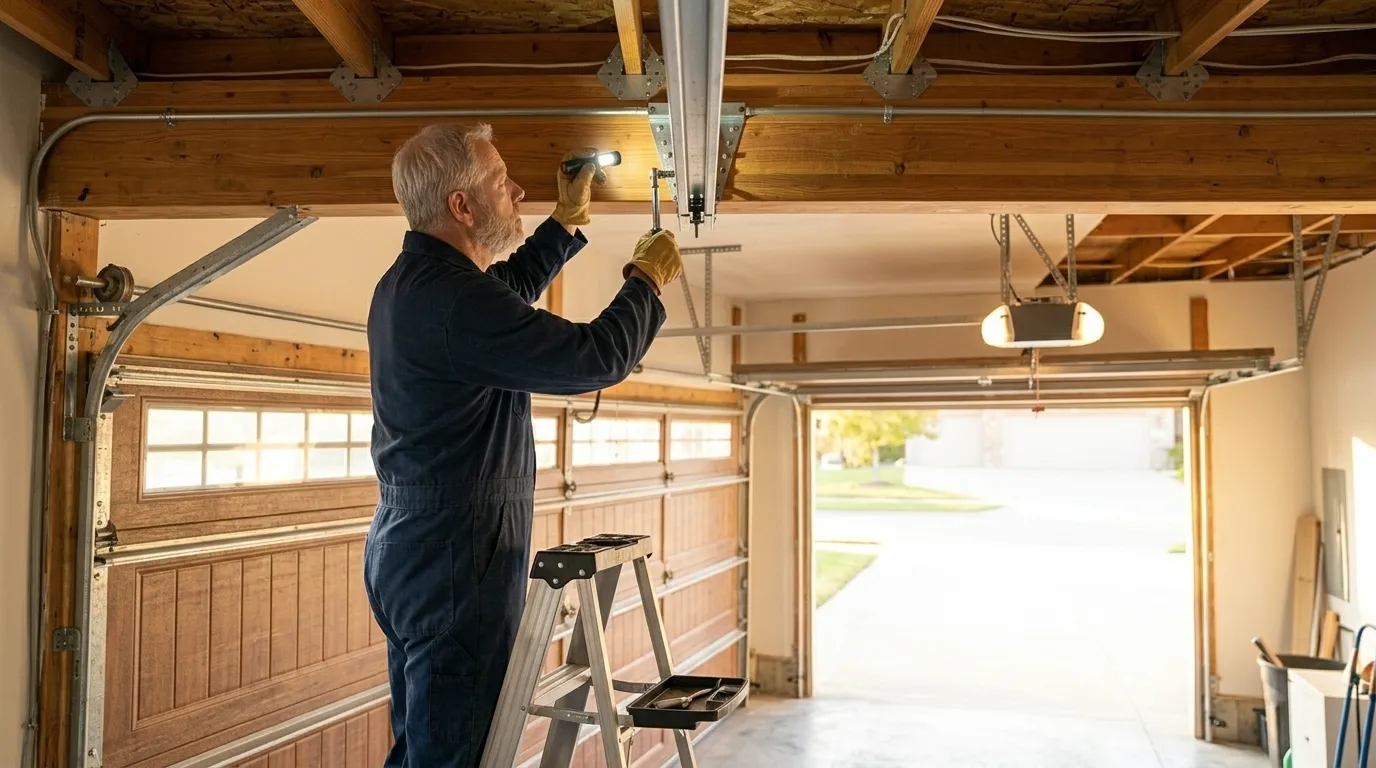
We don't get snow, ice storms, or the kind of sustained cold that some other parts of the country plan around. What we get is a short stretch, usually just a handful of nights a season, where the temperature drops enough to stress steel that's spent the rest of the year in Gulf humidity. That's the pattern worth knowing if you own a house anywhere from Ocean City out to Valparaiso: the failure isn't gradual seasonal wear like you'd see up north, it's a sudden event tied to one or two overnight lows.
If your spring is original and your house falls in that 1973-2013 build range, a cold night in December or January is the moment it's most likely to give out, not August. That's a narrow window to watch, but it's a real one.
What Local Conditions Do
Mild-with-occasional-freeze is an odd climate to plan maintenance around, because it doesn't give you the obvious cues that harsher climates do. There's no month where everyone in town automatically checks their door. What we see instead is springs that look fine for years and then fail on the one or two nights a year cold enough to matter, concentrated in the older sections of the service area - Ocean City, Mary Esther, Shalimar - where the stock skews 1960s-70s and the springs have simply been in service longer.
Newer construction closer to Lake Lorraine or out toward Valparaiso, built later in that 1973-2013 window, tends to have springs with fewer decades on them, so the same cold night is less likely to be the breaking point. One limitation worth being upfront about: we can't predict which specific door will go on a given cold night. What we can tell you is that age of the spring, not the temperature alone, is the bigger factor, and a door original to a house from the 60s or 70s is due for a look regardless of season.
How We Can Help
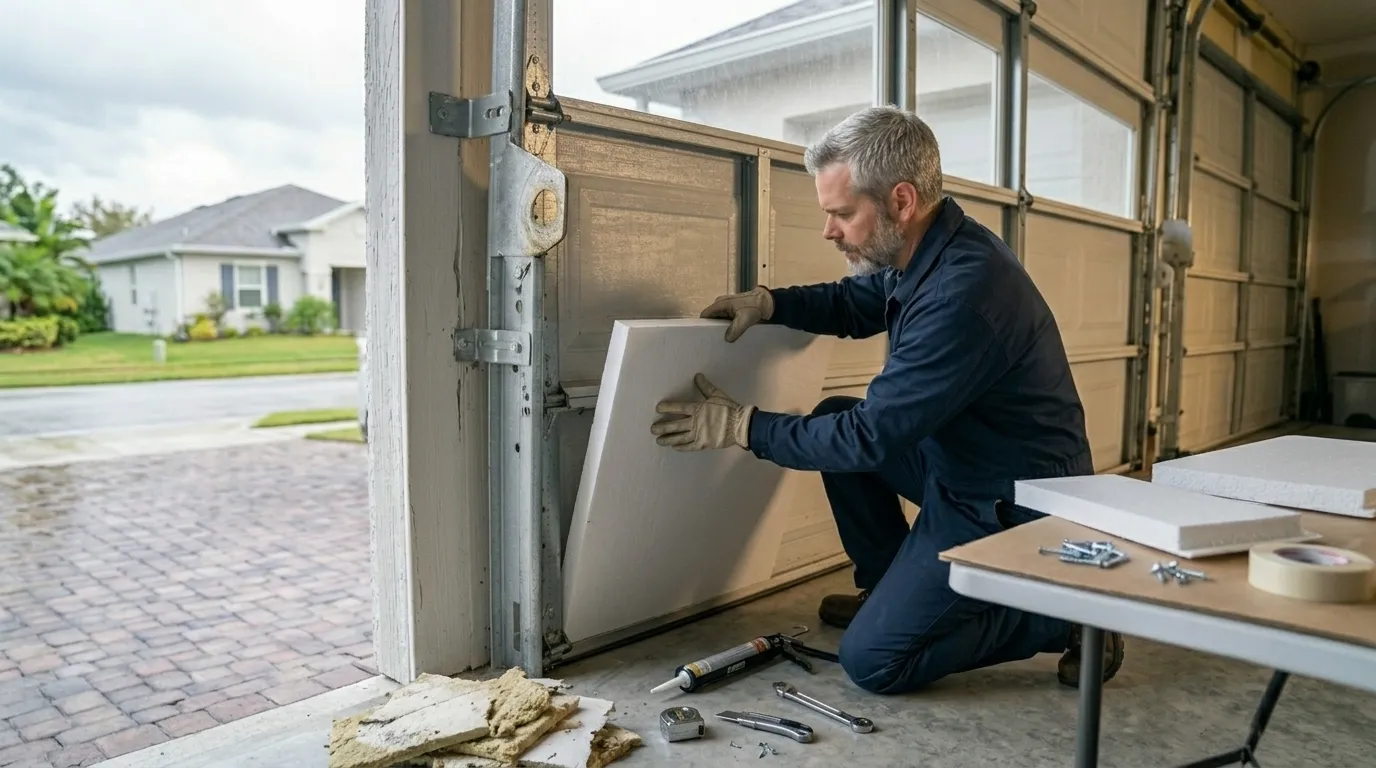
Garage Door Repair
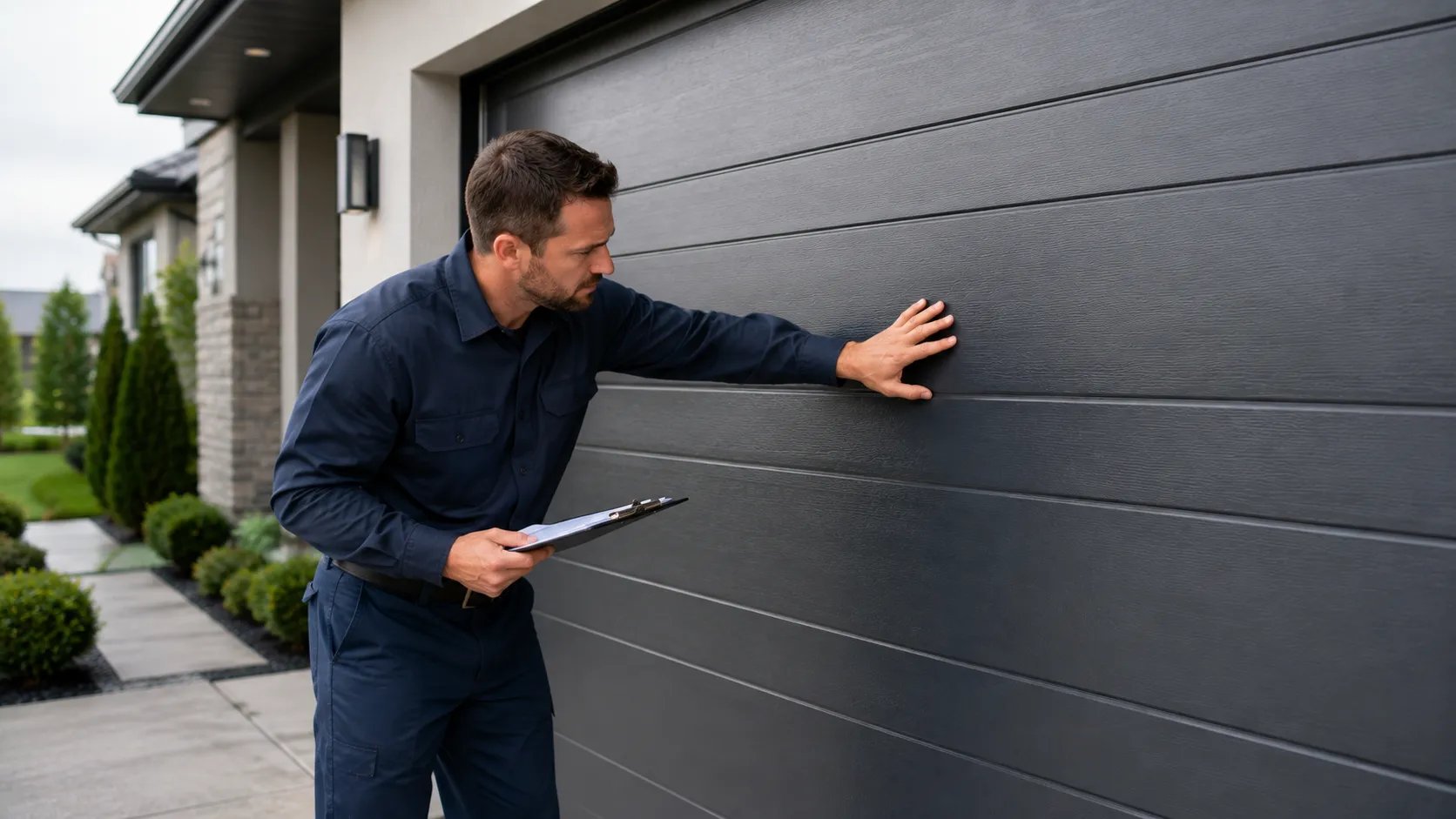
Springs, cables, tracks, rollers, and openers fixed by a tech who explains the problem before touching anything.
Learn more →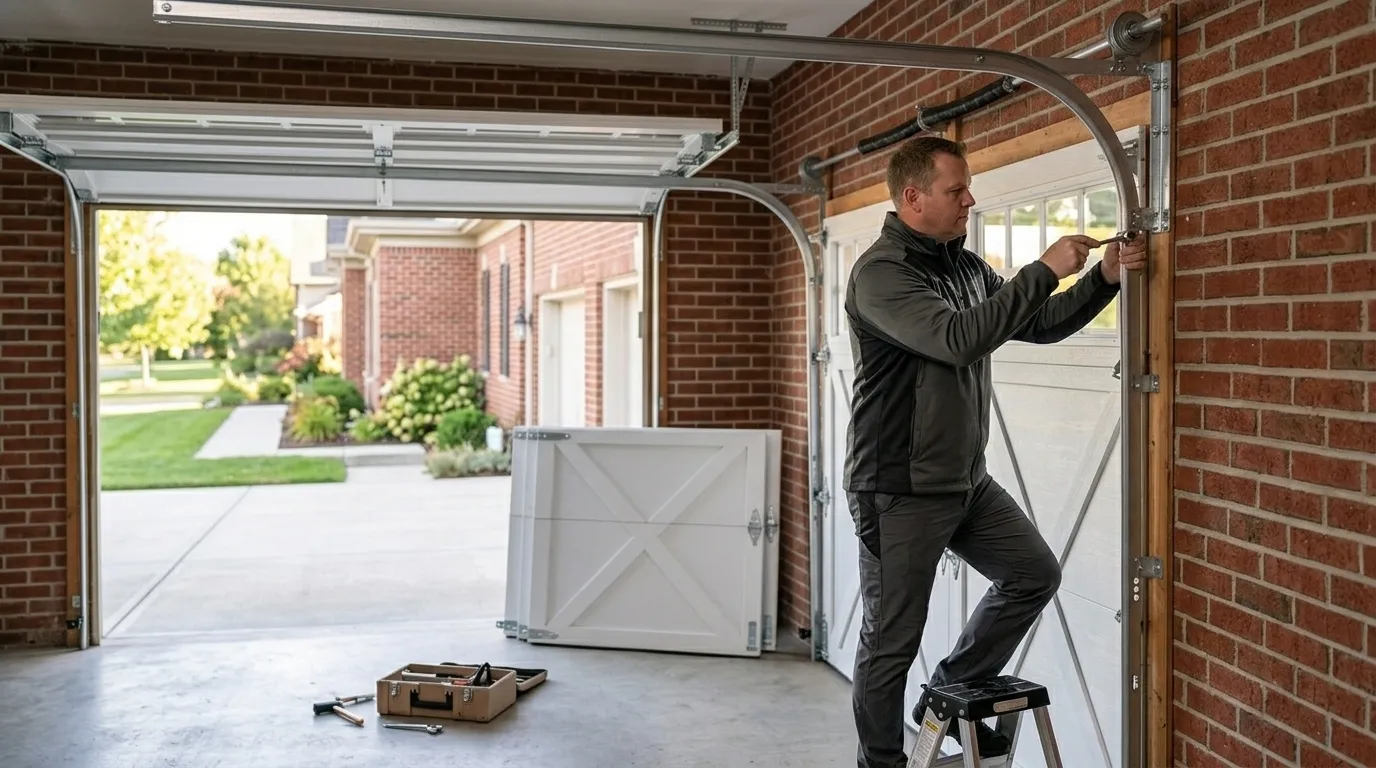
Garage Door Installation
New sectional doors sized and installed for the housing stock actually built in this area.
Learn more →
Garage Door Service
Tune-ups, lubrication, and safety checks that catch a small problem before it becomes a service call.
Learn more →Frequently Asked Questions
Does the occasional freeze in Fort Walton Beach actually break garage door springs?
It's not the cold by itself, it's the swing after a spring has spent years in Gulf humidity. On older doors, especially in the 1960s-70s stock around Ocean City, Mary Esther, and Shalimar, a hard overnight freeze is often the moment an already-worn spring finally lets go.
How do I know if my spring is old enough to worry about?
If your house falls in the 1973 to 2013 build range common across this service area and the door is original, the spring has likely never been replaced. Age and cycle count matter more than any single cold night, so a door that's original to a 1970s or 80s build is worth checking before winter.
Can you tell me exactly which night my spring will fail?
No, and we won't pretend otherwise. We can tell you that age of the spring combined with a rare hard freeze is the pattern we see most, but predicting the exact night is outside what anyone can promise.
Have a Door That Needs a Second Opinion?
Call and describe what it is doing - we will tell you what it likely is.